Bernedoodle vs Bernese Mountain Dog: Which Is Right for You?
Love the look of a Berner but worried about the shedding and the lifespan? That's exactly why so many people end up comparing these two. The core difference is simple: a Bernese Mountain Dog is a purebred with a predictable look, temperament and heavy-shedding coat, while a Bernedoodle is a Bernese Mountain Dog crossed with a Poodle — usually lower-shedding, often longer-lived and smaller, but far less predictable in coat, size and personality. Which one is "better" depends on what you value most: consistency and breed tradition, or lower shedding and a potentially longer life.
By BerneseLife Team · 6 min read · Updated September 2026
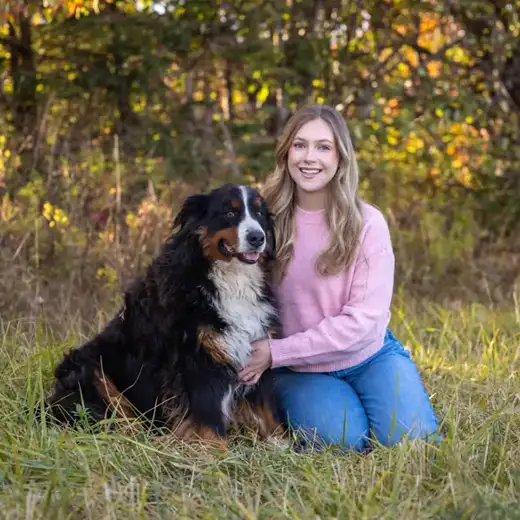
Here's a clear, honest side-by-side to help you choose.
Quick comparison at a glance
| Feature | Bernese Mountain Dog | Bernedoodle |
|---|---|---|
| Type | Purebred | Poodle × Bernese Mountain Dog cross |
| Size | Large (70–115 lb) | Varies widely: mini, medium or standard |
| Coat | Thick tricolor double coat | Varies: straight, wavy or curly |
| Shedding | Heavy, year-round | Usually low (not guaranteed) |
| Lifespan | ~7–10 years | Often ~10–15 years (size-dependent) |
| Grooming | Regular brushing | High: frequent brushing + clipping |
| Predictability | Very predictable | Less predictable |
| Temperament | Calm, gentle, affectionate | Affectionate, often more energetic |
Now let's unpack the differences that actually change day-to-day life.
Shedding and grooming
This is the number-one reason people look at Bernedoodles. Bernese Mountain Dogs shed a lot — that gorgeous double coat drops fur all year and blows out heavily in spring and autumn. If fur on your clothes and floors is a genuine problem, that's a real consideration.
Bernedoodles are bred hoping to inherit the Poodle's low-shedding coat, and many do shed far less. But it's not a promise — coat type varies from puppy to puppy, and a Bernedoodle with a wavier, more Berner-like coat can shed more than expected. And here's the catch owners underestimate: a low-shedding Bernedoodle coat is higher maintenance, needing frequent brushing to prevent matting plus regular professional clipping. Neither dog is low-effort; the Berner sheds while the Bernedoodle needs the groomer.
For the Berner side of this, our grooming guide covers the double-coat routine in detail.
Lifespan and health
Another big draw. Bernese Mountain Dogs have a short average lifespan of around 7–10 years and are sadly prone to cancer, hip and elbow dysplasia and bloat. Bernedoodles often live longer — commonly cited at around 10–15 years, with smaller Bernedoodles tending to live longest — and crossbreeding may reduce the risk of some inherited conditions (so-called hybrid vigour).
Two honest caveats:
- A Bernedoodle can still inherit health problems from either parent breed, including some Berner issues, so it isn't automatically healthy.
- Health depends heavily on the breeder. Whether you choose a Berner or a Bernedoodle, responsible breeders who health-test the parents matter enormously.
The longer potential lifespan is a meaningful point in the Bernedoodle's favour for many families — just don't treat it as guaranteed.
Size and predictability
With a Bernese Mountain Dog, you know roughly what you're getting: a large dog, a set coat pattern, and the breed's well-documented temperament. That predictability is a genuine advantage if you want to plan around a known quantity.
Bernedoodles come in mini, medium and standard sizes depending on the Poodle parent, so you can choose a rough size bracket — a real plus if a full-size Berner is too much dog for your space. The trade-off is uncertainty: because they're a cross, coat, size, shedding and personality are all less predictable, and puppies in one litter can differ noticeably. If you like surprises and flexibility, that's fine; if you want to know exactly what you're signing up for, it's a drawback.
Temperament
Both are affectionate, people-loving family dogs, which is why the cross is so popular. Broadly:
- Bernese Mountain Dogs are famously calm, gentle, patient and mellow — the classic gentle giant, wonderful with kids and content to be a low-key family companion.
- Bernedoodles are also loving and often very trainable (thanks to the clever Poodle side), but can be more energetic and playful, sometimes needing more mental stimulation. Personality varies with the mix and the individual.
If you specifically want that steady, laid-back Berner temperament, the purebred is the surer bet. If you'd enjoy a bright, lively, affectionate dog and don't mind some variability, a Bernedoodle can be a brilliant fit.
Cost
Both are pricey. Bernese Mountain Dogs from reputable breeders command a high price, and Bernedoodles from good breeders are often equally expensive or more, especially popular sizes and coat types. And remember the running costs differ: the Berner's higher potential vet bills and the Bernedoodle's ongoing professional grooming both add up over the dog's life. Whichever you choose, budget beyond the purchase price.
So which should you choose?
Choose a Bernese Mountain Dog if you:
- Want a predictable size, look and temperament
- Love the classic gentle-giant nature and don't mind heavy shedding
- Value breed tradition and a well-documented standard
- Can commit to the grooming and are prepared for the shorter lifespan and health risks
Choose a Bernedoodle if you:
- Want a lower-shedding coat (accepting it isn't guaranteed)
- Would prefer a potentially longer lifespan
- Want flexibility on size, including smaller options
- Don't mind less predictability and can commit to frequent brushing and professional grooming
There's no universally "better" dog here — only the better fit for your priorities.
The bottom line
In the Bernedoodle vs Bernese Mountain Dog decision, you're really choosing between predictability and tradition (the purebred Berner) and lower shedding with a potentially longer life (the Bernedoodle). The Berner gives you a known, gentle, heavy-shedding companion with a sadly short lifespan; the Bernedoodle offers less shedding, often more years and size flexibility, but comes with real variability and high grooming needs. Either way, the single biggest factor in a happy, healthy dog is choosing a responsible breeder — so start there, then pick the dog that truly matches your home.
Frequently asked questions
Is a Bernedoodle better than a Bernese Mountain Dog?
Neither is objectively better. Bernedoodles usually shed less and often live longer, while Bernese Mountain Dogs offer predictable size, looks and temperament. The right choice depends on your priorities around shedding, lifespan, predictability and grooming.
Do Bernedoodles shed less than Bernese Mountain Dogs?
Generally yes — most Bernedoodles shed much less than the heavy-shedding Berner. However, shedding isn't guaranteed and varies by coat type, and low-shedding coats need frequent brushing and clipping.
Do Bernedoodles live longer than Bernese Mountain Dogs?
Often, yes. Bernedoodles commonly live around 10–15 years versus roughly 7–10 for Bernese Mountain Dogs, with smaller Bernedoodles tending to live longest. Health still depends on genetics and the breeder.
Are Bernedoodles healthier than Bernese Mountain Dogs?
They may benefit from hybrid vigour, but they can still inherit health issues from either parent, including some Berner conditions. Responsible, health-testing breeders matter for both.
Which is easier to groom, a Bernedoodle or a Bernese Mountain Dog?
Neither is low-effort. The Berner needs regular brushing and sheds heavily; the Bernedoodle sheds less but needs frequent brushing plus professional clipping to prevent matting.
Is a Bernedoodle a good first dog?
A Bernedoodle can suit first-time owners thanks to its affectionate, trainable nature and lower shedding, but be ready for the grooming commitment and the variability that comes with a crossbreed. As with a Bernese Mountain Dog, the biggest factor in getting a healthy dog is buying from a responsible breeder who health-tests both parents.