Bernese Mountain Dog Puppies: The Complete Guide
Bringing home one of those fluffy, tricolor Bernese Mountain Dog puppies is a joyful milestone — and a big responsibility. A Berner puppy will grow into a giant, and the choices you make in the first weeks and months shape its health, temperament, and manners for life. This complete guide covers everything a new owner needs: preparing your home, a supplies checklist, feeding and vet care, socialization, what to expect as your puppy grows, and how to choose a healthy pup in the first place. Follow it and you will give your new berner puppy the best possible start.
By BerneseLife Team · 9 min read · Updated September 2026
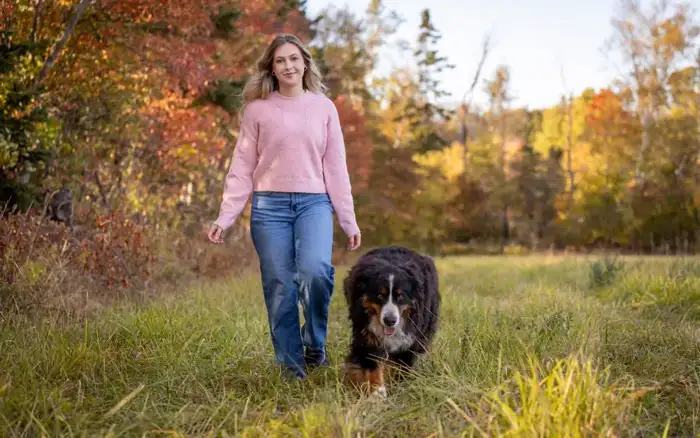
Preparing for your Bernese Mountain Dog puppy
Before your Bernese Mountain Dog puppy arrives, puppy-proof your home the way you would for a curious toddler. Secure electrical cords, remove toxic plants and small swallowable objects, block off stairs (important for protecting developing joints), and set up a safe, gated space with a crate and bedding. Because Berners bond so closely with their families, choose a spot where your puppy can be near you rather than isolated. Plan where the puppy will sleep, eat, and potty, and agree on house rules with everyone in the home so training is consistent from day one.
New puppy supplies checklist
A practical puppy care guide starts with the right gear. Essential supplies include:
- Crate (sized for an adult Berner, with a divider) and comfortable bedding
- Food and water bowls (a slow-feeder helps prevent gulping)
- Large-breed puppy food (see below)
- Collar, harness, ID tag, and leash
- Safe chew toys for teething and mental stimulation
- Enzymatic cleaner for potty-training accidents
- Grooming basics — a soft brush now, plus a slicker brush and undercoat rake for later
- Puppy pads (optional) and poop bags
These new puppy tips and supplies keep the transition smooth and safe.
Feeding your Berner puppy
Nutrition is critical for a giant-breed puppy. Feed a large-breed puppy formula with controlled calcium to promote slow, steady growth — rapid growth increases the risk of hip and elbow problems. Feed three to four small meals a day, following the food's guidance for your puppy's projected adult weight, and keep your puppy lean rather than chubby. For full details and a feeding chart, see our feeding & nutrition guide.
Vaccinations and vet care
Schedule a veterinary checkup within the first few days of bringing your puppy home. Your vet will set up a vaccination schedule (typically a series through about 16 weeks), start parasite prevention (fleas, ticks, and heartworm), and discuss spaying or neutering timing — which, for large breeds, is often delayed to allow proper growth. Because Bernese Mountain Dogs are prone to certain inherited conditions, establishing a relationship with a good vet early is one of the best investments you can make. Learn what to watch for in our health problems & lifespan guide.
Socialization and early training
The window from about 8–16 weeks is the most important period for shaping a confident adult. Expose your puppy positively to new people, friendly vaccinated dogs, sounds, surfaces, and everyday experiences. Since Berners can be naturally reserved, this early socialization is what prevents shyness later. Begin gentle house-training and basic manners right away using reward-based methods — our training guide walks through potty training, crate training, and first commands step by step.
Bernese Mountain Dog puppy growth stages
Owners are often amazed at how fast these puppies grow. General puppy growth expectations:
| Age | Approximate weight* |
|---|---|
| 8 weeks | ~15–20 lbs |
| 3 months | ~30–40 lbs |
| 6 months | ~55–70 lbs |
| 9 months | ~70–85 lbs |
| 12 months | ~75–100 lbs |
| Adulthood (1.5–2 yrs) | 70–115 lbs |
*Ranges are approximate and vary by sex and lineage; males are typically larger than females.
Berners are slow to mature mentally, often staying puppy-like in behavior until around two years old even after they reach full size. Protect those growing joints by avoiding forced running, repetitive jumping, and stairs during the first 18 months — see the exercise guide.
Choosing a healthy Bernese Mountain Dog puppy
If you are still selecting a pup, choose carefully. A responsible breeder will:
- Health-test the parents for hips, elbows, eyes, and heart, and share the results.
- Raise puppies in the home, well-socialized and clean.
- Let you meet the mother and see the environment.
- Provide vet records, a health guarantee, and a contract.
- Ask you questions, showing they care where their puppies go.
Avoid pet stores and online sellers offering puppies with no health testing — these are red flags for puppy mills. For pricing, breeder vetting, and adoption options, see our cost and buying guide.
Frequently asked questions
How big do Bernese Mountain Dog puppies get?
They grow into large dogs of 70–115 pounds. A puppy may weigh 30–40 pounds at 3 months and reach most of its adult size by around 12–18 months.
What should I feed a Bernese Mountain Dog puppy?
A large-breed puppy formula with controlled calcium, fed in three to four small meals a day to support slow, steady growth and healthy joints.
When can a Bernese Mountain Dog puppy go outside?
Limit contact with unknown dogs and public areas until your vet confirms the vaccination series is far enough along, usually after the final puppy shots around 16 weeks.
How much exercise does a Berner puppy need?
Keep it gentle — about 5 minutes of structured activity per month of age, once or twice a day — and avoid stairs, jumping, and forced running while joints develop.
How do I choose a healthy Bernese Mountain Dog puppy?
Buy from a reputable breeder who health-tests the parents, raises pups in the home, provides records and a contract, and welcomes your questions.
Related reading: Complete Breed Guide · Feeding & Nutrition · Training · Cost & Buying · Health Problems & Lifespan