Bernese Mountain Dog Grooming: The Complete Guide
Bernese Mountain Dog grooming centers on one thing: managing a thick, tricolor double coat that sheds heavily and mats easily if neglected. The good news is that Berner grooming is not complicated — it just requires consistency. With a slicker brush, an undercoat rake, and a regular routine, you can keep your dog's coat glossy, their skin healthy, and loose hair around the house under control. This guide explains exactly how to groom a Bernese Mountain Dog, how often to brush and bathe, and how to survive the twice-yearly shed.
By BerneseLife Team · 9 min read · Updated September 2026
Understanding the Bernese Mountain Dog coat
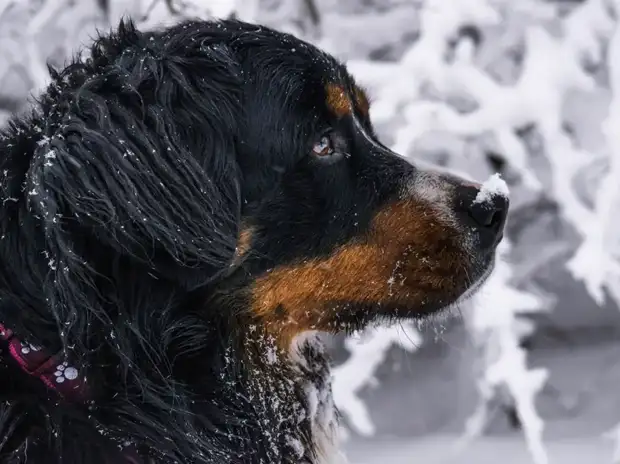
Before diving into technique, it helps to understand what you are working with. The Bernese Mountain Dog has a moderately long double coat: a dense, insulating undercoat beneath a longer, slightly wavy or straight outer coat. This double coat evolved to protect the breed through harsh Swiss winters, and it regulates temperature in both directions — keeping the dog warm in cold weather and, surprisingly, helping shield the skin in heat. That is why you should never shave a Berner: clipping the double coat can permanently disrupt its function and cause patchy, abnormal regrowth (post-clipping alopecia). Good coat care works with the coat, not against it.
Do Bernese Mountain Dogs shed?
Yes — and it is one of the most-searched questions about the breed. Anyone asking "do Bernese Mountain Dogs shed" should know that Bernese Mountain Dog shedding is year-round and significant, with two heavy "coat blows" each spring and fall when the undercoat releases in large amounts. Between those seasonal peaks, hair still turns over constantly; you simply see less of it if you brush regularly. Expect fur on your clothes, furniture, and floors, and keep a good vacuum and a lint roller handy. Regular brushing is the single most effective way to control how much hair ends up around your home.
How to groom a Bernese Mountain Dog: brushing
Brushing is the heart of how to groom a Bernese Mountain Dog. Aim to brush at least 2–3 times a week, increasing to daily during the spring and fall coat blows.
A simple, effective routine:
- Start with a slicker brush to work through the outer coat, lift loose surface hair, and detect any tangles.
- Switch to an undercoat rake for the dense areas — chest, hindquarters, and the base of the tail — to pull out dead undercoat.
- Finish with a wide-tooth steel comb to check that the coat is mat-free all the way to the skin.
Always brush in the direction of hair growth, and use a detangling spray on any dry or knotted spots. Pay special attention to the mat-prone zones: behind the ears, under the collar and harness, in the "feathers" on the legs, and around the "britches" at the back of the thighs. These friction areas tangle first, so never skip them.
Bathing your Berner
Berners do not need frequent baths — every 6–12 weeks, or when they are genuinely dirty, is plenty. Their coat carries natural oils that keep it water-resistant and the skin healthy, and over-bathing strips those oils, leading to dry, itchy skin. Best practice for bathing:
- Brush thoroughly first to remove loose hair and prevent mats from tightening when wet.
- Use a dog-specific shampoo (human shampoo has the wrong pH).
- Rinse completely — leftover residue causes itching and a dull coat.
- Towel-dry, then blow-dry on a cool, low setting, brushing as you go to lift the undercoat.
- Keep water out of the ears and dry them afterward to prevent infections.
The rest of the grooming routine
Complete berner grooming goes beyond the coat:
- Nails: Trim every 3–4 weeks, or when you hear clicking on the floor.
- Ears: Check and clean regularly; the drop ears trap moisture and are prone to infection, especially after baths or swimming.
- Teeth: Brush several times a week with dog toothpaste (never human toothpaste) to prevent dental disease.
- Feet: Trim excess hair between the paw pads for traction and hygiene.
A simple grooming schedule
| Task | Frequency |
|---|---|
| Brushing | 2–3× per week (daily during coat blow) |
| Bathing | Every 6–12 weeks or as needed |
| Nail trim | Every 3–4 weeks |
| Ear check/clean | Weekly to biweekly |
| Teeth brushing | 3–4× per week |
| Professional groom | Every 8–12 weeks (optional, helpful during shed) |
Many owners book a professional deshedding bath timed to the coat blow — a soak, condition, and high-velocity blow-out removes the bulk of loose undercoat efficiently and shortens the mess at home.
Frequently asked questions
Do Bernese Mountain Dogs shed a lot?
Yes. Bernese Mountain Dog shedding is heavy and year-round, with two especially intense sheds in spring and fall. Regular brushing keeps it manageable.
How often should I brush a Bernese Mountain Dog?
Brush 2–3 times a week normally, and daily during the seasonal coat blow to control shedding and prevent matting.
Can you shave a Bernese Mountain Dog?
No. Shaving a double coat can permanently damage it and cause abnormal regrowth. Manage heat with shade, water, and brushing instead.
How often should you bathe a Bernese Mountain Dog?
Every 6–12 weeks, or when dirty. Over-bathing strips the coat's protective oils and dries out the skin.
What tools do I need to groom a Berner?
A slicker brush, an undercoat rake, and a wide-tooth steel comb are the essentials, plus nail clippers, dog shampoo, and a dog toothbrush.
Related reading: Complete Breed Guide · Colors & Markings · Health Problems & Lifespan · Living With a Bernese Mountain Dog