Bernese Mountain Dog Allergies: Skin, Food & Seasonal Symptoms
If your Berner is scratching, licking its paws raw or picking up ear infection after ear infection, allergies are a likely reason. Bernese Mountain Dog allergies usually show up as itchy skin, recurring ear infections, paw licking and hot spots, and they fall into three main types: environmental (seasonal) allergies, food allergies and flea allergies. The good news is that once you identify the trigger, most Berners can be kept comfortable with the right routine and, when needed, help from your vet.
By BerneseLife Team · 6 min read · Updated September 2026
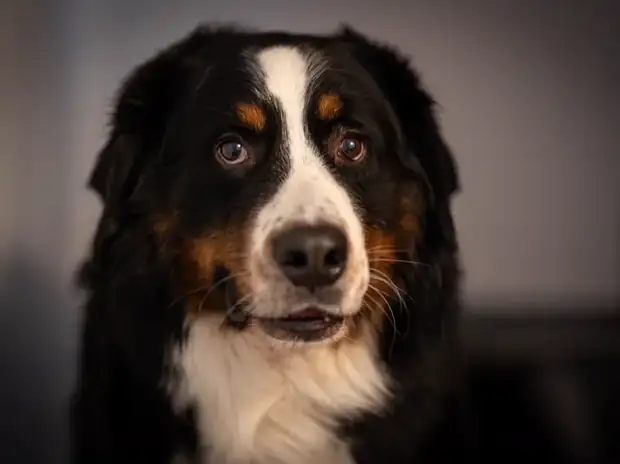
Allergies are frustrating precisely because the symptoms often look the same no matter the cause. This guide breaks down what to look for, what's behind it, and how to bring your dog relief.
Note: This is general information, not veterinary advice. Persistent or severe itching should always be checked by your vet.
Signs your Bernese Mountain Dog has allergies
Allergic reactions in Berners almost always centre on the skin and ears rather than sneezing. Watch for:
- Frequent scratching, biting or licking — especially paws, belly, armpits, groin and face
- Red, inflamed or flaky skin, sometimes with a rash or bumps
- Recurring ear infections — head-shaking, smelly ears, dark discharge
- Hot spots — angry, moist, sore patches that appear fast when a dog licks one area obsessively
- Paw licking and chewing until the fur between the toes stains reddish-brown
- Rubbing the face on carpet or furniture
- Thinning coat or bald patches from constant scratching
- Recurring skin or yeast infections as a knock-on effect
Because Bernese Mountain Dogs have a thick double coat, problem skin can hide until it's well established — which is one more reason regular grooming and coat checks matter so much for the breed. Parting the coat during brushing lets you spot redness or hot spots early.
The 3 main types of allergy in Berners
1. Environmental (seasonal) allergies — atopy
This is the most common type. Your dog reacts to things in the environment: pollen, grasses, weeds, mould, dust mites or dander. Tell-tale signs are itching that flares at certain times of year (spring and autumn are classic) or whenever your dog is exposed to a particular trigger. Environmental allergies often start between one and three years of age and tend to be lifelong but manageable.
2. Food allergies
Less common than many owners assume, true food allergies are usually a reaction to a protein — often beef, chicken, dairy or egg — rather than to grain. The clue is that food-allergy itching doesn't follow the seasons; it's there year-round. Food allergies can also cause digestive upset (loose stools, gas, vomiting) alongside the skin signs.
3. Flea allergy dermatitis
Some dogs are hypersensitive to flea saliva, so even a single bite triggers intense itching, especially around the base of the tail, rump and back legs. In a thick-coated Berner, fleas are easy to miss, which makes reliable year-round flea prevention essential.
What causes allergies in Bernese Mountain Dogs?
Allergies develop when the immune system overreacts to a normally harmless substance. There's often a genetic component — some dogs are simply wired to be more reactive. A dog can also develop new allergies over time, and it's common for a Berner to have more than one type at once (say, seasonal and flea allergies), which can make the itching seem constant.
Environmental triggers, diet and parasite exposure all interact, so getting to the bottom of it sometimes takes a bit of detective work with your vet.
How to treat and manage Berner allergies
You'll get the best results by combining a vet diagnosis with good day-to-day management.
Work with your vet
Your vet can confirm allergies, rule out other skin conditions, and offer targeted options — from anti-itch medication and medicated shampoos to newer treatments that calm the itch cycle, and allergy testing or immunotherapy for severe environmental cases. Don't tough it out; chronic itching is miserable for your dog and can lead to painful secondary infections.
Try a proper food trial (for suspected food allergies)
If food is the suspect, your vet may recommend a strict elimination diet — a single novel or hydrolysed protein for 8–12 weeks with nothing else, no treats or table scraps. It's the only reliable way to confirm a food allergy, and it only works if you're disciplined about it.
Support the skin barrier
- Bathe with a gentle, vet-approved shampoo to wash off allergens and soothe skin (over-bathing can dry the coat, so follow your vet's guidance on frequency).
- Wipe paws and belly after walks during pollen season to remove allergens.
- Consider omega-3 supplements (fish oil), which many vets recommend to support skin and coat — check the right dose for your dog's size.
Stay on top of fleas and grooming
- Use year-round flea prevention, even in winter and even for indoor dogs.
- Brush regularly to keep the coat clean, spot hot spots early and prevent matting that traps moisture against the skin.
- Keep the environment clean — wash bedding often and vacuum to reduce dust mites and pollen indoors.
Can you prevent allergies in a Bernese Mountain Dog?
You can't change your dog's genetics, so true allergies can't always be prevented — but you can reduce flare-ups and catch problems early. Reliable year-round flea control, a consistent grooming routine that lets you inspect the skin, prompt attention to the first signs of itching, and a good-quality diet all stack the odds in your dog's favour. If you know your Berner reacts to certain pollens, limiting exposure on high-pollen days and wiping the coat down afterward can take the edge off a seasonal flare before it spirals into a hot spot or infection. Early, consistent management is far easier than treating a full-blown skin problem later.
When to see the vet urgently
Book a prompt visit if your Berner has an open, oozing hot spot, a painful ear, sudden facial swelling, hives, or itching so severe it can't rest. Rapid facial swelling or difficulty breathing after a bite or sting is an emergency — go straight to a vet.
The bottom line
Bernese Mountain Dog allergies are common, uncomfortable, and very manageable once you know the trigger. Learn to recognise the signs — itchy skin, paw licking, hot spots and repeat ear infections — and figure out whether you're dealing with environmental, food or flea allergies, usually with your vet's help. With the right treatment, consistent flea control, a good grooming routine and skin support, most Berners live happy, comfortable, low-itch lives.
Frequently asked questions
Are Bernese Mountain Dogs prone to skin allergies?
Like many breeds, Berners can develop allergies, most often environmental (seasonal) itching. Their thick double coat can hide skin problems, so regular grooming checks help catch issues early.
Why is my Bernese Mountain Dog scratching so much?
Common causes are environmental allergies, food allergies, fleas, or a skin/ear infection. Persistent scratching that breaks the skin or causes hair loss should be checked by your vet.
What foods are Bernese Mountain Dogs most allergic to?
True food allergies are usually to proteins such as beef, chicken, dairy or egg, not grain. A vet-guided elimination diet is the only reliable way to confirm the culprit.
How do I treat my Berner's hot spot?
Hot spots need prompt care — the area often has to be clipped and cleaned, and your vet may prescribe treatment to stop the itch-lick cycle and clear infection. Preventing the underlying allergy stops them coming back.
Can allergies shorten my Bernese Mountain Dog's life?
Allergies themselves aren't life-threatening, but untreated chronic itching causes real suffering and repeated skin infections. Managing them well keeps your dog comfortable and healthy.