Bernese Mountain Dog Cold-Weather & Winter Care
Here's a breed that actually looks forward to the forecast most dogs dread. Bernese Mountain Dogs handle cold weather exceptionally well — they were bred to work in the freezing Swiss Alps, and their thick tricolor double coat keeps them warm in snow and low temperatures that would send many breeds indoors. Most Berners genuinely love winter and will happily flop in a snowdrift given the chance. But "cold-hardy" doesn't mean "care-free," and there are a few real winter hazards worth knowing.
By BerneseLife Team · 6 min read · Updated September 2026
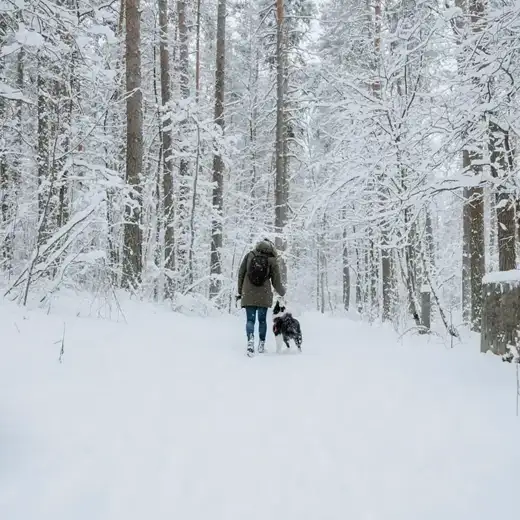
If you've got a snow-loving Berner, this guide covers how much cold they can take, what to watch for, and how to keep winter fun and safe.
Why Bernese Mountain Dogs love the cold
The Bernese Mountain Dog's whole design is built for alpine winters. That famous double coat has a weather-resistant outer layer and a dense, insulating undercoat that traps warm air against the body — essentially a built-in ski jacket. Add the breed's sturdy size and Swiss farm heritage, and you get a dog that's far more comfortable at 20°F (-6°C) than at 80°F (27°C).
This is the flip side of everything you read about Berners and summer heat in the breed guide: the same coat that makes hot weather risky makes cold weather a joy. When it snows, expect zoomies.
How cold is too cold for a Bernese Mountain Dog?
A healthy adult Berner is comfortable well below freezing and can enjoy extended time outdoors in the snow. As a general guide:
- Above freezing to around 20°F (-6°C): Comfortable for most healthy adult Berners with normal activity.
- Around 0–20°F (-18 to -6°C): Usually fine for shorter, active outings, but watch the extremities and don't leave your dog standing around.
- Below 0°F (-18°C), or with strong wind chill: Limit time outside, keep sessions short and active, and bring your dog in to warm up.
Puppies, senior dogs and any Berner that's unwell tolerate cold far less than a healthy adult — they lose heat faster and should have shorter outings and warm indoor recovery time. And no dog should be left outside unattended in extreme cold, thick coat or not.
Signs your Berner has had enough: shivering, lifting or favouring paws, whining, slowing down, or seeming reluctant to keep going. When you see those, head inside.
Winter hazards to watch for
Even a cold-loving breed faces a few genuine risks in winter:
Ice balls and snow packing in the paws
Snow clumps between the toes and pads of a furry-footed Berner, forming painful ice balls. This is the single most common winter nuisance for the breed.
Road salt and de-icing chemicals
Salt and chemical de-icers irritate paw pads and are toxic if your dog licks them off. Antifreeze is especially dangerous — it tastes sweet to dogs and is deadly even in tiny amounts, so clean up any spills immediately.
Frostbite on the extremities
Rare in this breed but possible in extreme cold — the thinner-furred edges (ear tips, tail tip, paw pads) are most vulnerable. Look for pale, grey or very cold skin in these areas.
Hidden ice and frozen water
Frozen ponds and lakes are a serious danger; never let your Berner walk on ice that could give way. Slippery surfaces can also strain the joints of a large breed.
Dry skin and matting
Cold air and indoor heating dry out skin, and wet, snowy coats that aren't dried can mat. A Berner that comes in soaked needs drying, especially in the dense undercoat.
Winter care routine for your Berner
Keep the good times rolling with a simple cold-weather routine:
- Protect the paws. Trim the fur between the pads to reduce ice-ball buildup, and consider a paw balm or well-fitted dog boots for salted streets or long snowy hikes.
- Wipe down after every outing. Clean paws, legs and belly to remove salt, chemicals and packed snow — and check between the toes for ice.
- Dry the coat. Towel-dry a wet Berner and make sure the undercoat isn't left damp, which can chill your dog and cause matting.
- Keep grooming up in winter. A well-maintained double coat insulates best. Regular brushing keeps the coat doing its job — and never shave a Berner for winter (or summer), as the coat is their temperature regulation.
- Adjust exercise, don't cancel it. Berners still need daily activity in winter. Snowy walks, fetch and hikes are perfect; just keep an eye on conditions and your dog's energy.
- Provide a warm, draught-free bed indoors. Even a cold-lover appreciates a cosy spot to warm up after playing outside.
- Mind the puppies and seniors. Shorter outings, more supervision, and extra warmth for the very young, the old and the unwell.
Fun winter activities for your Berner
Winter is the perfect season to lean into what this breed loves. Snowy hikes let your Berner do exactly what it was bred for, and most dogs adore chasing snowballs or playing fetch in fresh powder. You can also try gentle snow games in the garden, or explore the breed's working heritage with beginner carting or sledding activities on snow, which give your dog a satisfying job to do. Just match the intensity to your dog's age and fitness, stick to safe conditions, and always let your Berner warm up and dry off afterward. A well-exercised winter Berner is a happy, settled one.
Do Bernese Mountain Dogs need a coat in winter?
Almost never. A healthy adult Berner's own coat is more than enough for typical winter weather — a dog jacket is usually unnecessary and can even flatten the insulating undercoat. The exceptions are puppies, senior or sick dogs, or extreme sub-zero conditions, where a little extra warmth on short outings can help. For the average snow-loving Berner, skip the sweater and let that magnificent coat do the work.
The bottom line
Winter is a Bernese Mountain Dog's season. Bred for the Swiss Alps, they're wonderfully cold-hardy and most of them adore the snow. Your job isn't to keep them warm so much as to manage the small hazards — ice balls in the paws, road salt, slippery ice and the odd wet coat — and to give puppies and seniors extra care. Handle those, keep the daily exercise going, and you and your Berner can make the most of every snowfall together.
Frequently asked questions
Do Bernese Mountain Dogs like snow?
Most love it. Their alpine heritage and insulating double coat make snow and cold genuinely enjoyable, and many Berners get playful and energetic in winter weather.
How cold can a Bernese Mountain Dog tolerate?
Healthy adults are comfortable well below freezing, often down toward 0°F (-18°C) for shorter active outings. Below that or in strong wind chill, limit time outside — and always shorten it for puppies and seniors.
Can Bernese Mountain Dogs live outside in winter?
They shouldn't live outdoors full-time. Despite their cold tolerance, Berners are companion dogs that need to be with their family, plus shelter, supervision and a warm place to recover after cold play.
Do I need boots for my Bernese Mountain Dog in the snow?
Not always, but boots help on salted streets and long snowy hikes by preventing ice balls and protecting pads from salt and chemicals. Trimming paw fur and wiping down afterward also work well.
Should I shave my Berner in summer to cope with heat?
No — never shave a Bernese Mountain Dog. The double coat regulates temperature in both heat and cold, and shaving it can impair that and risk skin damage. Manage heat with shade, water and timing instead.