Do Bernese Mountain Dogs Drool a Lot?
It's one of the first questions people ask before bringing a giant breed home, and it's a fair one — nobody wants slobber strings flung across a clean wall. Here's the straight answer: Bernese Mountain Dogs are moderate droolers, not heavy ones. They drool far less than Saint Bernards, Newfoundlands or Mastiffs, but a little more than tight-lipped breeds like Poodles. Most Berner owners deal with occasional drool around food, water and hot weather rather than a constant slobber problem.
By BerneseLife Team · 6 min read · Updated September 2026
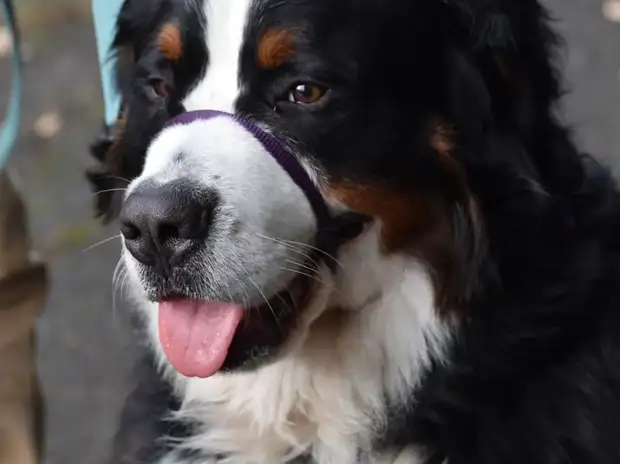
If you're weighing up the breed, drooling shouldn't be a dealbreaker. Let's look at how much to expect, what triggers it, and the rare cases where drool is a health signal worth acting on.
How much do Bernese Mountain Dogs actually drool?
Bernese Mountain Dogs have relatively neat lips ("dry" jowls compared with the heavy, loose flews of true slobber breeds). That mouth shape is the reason they don't sling drool the way a Saint Bernard does. On a normal day, a healthy Berner might:
- Leave a little drool near the water bowl after a big drink
- String some slobber before dinner when they can smell food coming
- Drool more when panting hard on a warm day or during exercise
Compared with the breed's overall size, coat and care demands, drool is one of the easier things to live with. A drool towel by the water bowl and a quick wipe before mealtimes usually covers it.
Why do Berners drool? 6 common triggers
1. Food anticipation
The classic one. The sight, smell or sound of dinner (or your sandwich) switches on the salivary glands. This is completely normal and passes the moment they eat.
2. Drinking water
Berners aren't the tidiest drinkers. That thick double coat around the muzzle can hold water, so a few drips after the bowl are just physics, not a problem.
3. Heat and panting
Bernese Mountain Dogs were built for the cold Swiss Alps, not summer heat. When they pant to cool down, drool increases. Heavy drooling plus frantic panting in hot weather can be an early sign of overheating and should be taken seriously.
4. Exercise and excitement
A hard play session, a car ride to somewhere fun, or the arrival of a favourite human can all bump up drool for a few minutes.
5. Nausea or car sickness
Some Berners drool when they feel queasy, especially in the car. If your dog reliably slobbers on drives, motion sickness is a likely culprit — and one your vet can help with.
6. Dental or mouth problems
Sudden, one-sided or foul-smelling drool can point to a dental issue, a sore in the mouth, or something stuck between the teeth.
Do Bernese Mountain Dogs drool more than other breeds?
It helps to know where the Berner sits on the drool spectrum, because "big dog" and "big drooler" aren't the same thing. Drooling is mostly about the shape of a breed's mouth, not its size. Dogs with heavy, loose upper lips (called flews) — Saint Bernards, Newfoundlands, Mastiffs and Bloodhounds — have pockets that collect saliva and then release it in ropes when the dog moves its head. Bernese Mountain Dogs simply don't have that build.
Here's a rough ranking to set expectations:
- Heavy droolers: Saint Bernard, Newfoundland, Mastiff, Bloodhound — constant, dramatic slobber.
- Moderate droolers: Bernese Mountain Dog — occasional, situational drool around food, water and heat.
- Low droolers: Poodle, most terriers and many herding breeds — barely any at all.
So if you've met a Saint Bernard and worried a Berner would be similar, you can breathe easy. The two breeds look related but drool on completely different scales, and a Bernese Mountain Dog's slobber is very manageable for the average household.
Does drooling change as your Berner ages?
Drool patterns can shift over your dog's life. Puppies sometimes drool more while teething or when they first experience car rides. In adulthood, drooling usually settles into a predictable mealtime-and-water routine. In senior dogs, keep a closer eye on the mouth: older Berners are more prone to dental disease, and a rise in drooling — especially if it smells bad or comes with reluctance to eat — can be an early sign of a tooth or gum problem worth a vet check. As with so much in this breed, the key is knowing your dog's normal and noticing when it changes.
When drooling is a red flag
Everyday drool is nothing to worry about. A sudden, dramatic increase in drooling is the thing to notice — especially when it comes with other symptoms. Contact your vet promptly if your Bernese Mountain Dog shows:
- Excessive drool with a swollen or bloated belly, restlessness and unproductive retching. This can signal bloat (GDV), a life-threatening emergency that deep-chested breeds like the Berner are at risk of — go to an emergency vet immediately.
- Drooling with vomiting, lethargy, or refusing food
- Foul-smelling or bloody drool
- Pawing at the mouth or face
- Drooling alongside heavy panting and distress in the heat (possible heatstroke)
Because Bernese Mountain Dogs are a breed with specific health risks, it's worth knowing your dog's normal drool level so you can spot when something has changed. A dog that has never been a big drooler suddenly slobbering everywhere deserves attention.
How to manage Berner drool at home
You won't eliminate drool entirely, but you can keep it under control:
- Keep a drool towel handy by the water bowl and near your dog's eating spot.
- Use a raised water bowl and a splash mat to contain post-drink drips.
- Wipe the muzzle folds after meals and drinks to keep the coat clean and reduce odour.
- Manage the heat. Fresh water, shade and cool spaces cut heat-related drooling and protect your dog from overheating.
- Tackle car sickness early. Short, positive practice drives and a chat with your vet can reduce motion-related slobber.
The bottom line
So, do Bernese Mountain Dogs drool a lot? Not really. They're moderate, situational droolers — think mealtime strings and post-drink drips, not permanent slobber. If you can handle a towel by the bowl and the occasional wipe, drool is a minor footnote in an otherwise wonderful breed. Just keep an eye out for any sudden change, which can be your dog's way of telling you something's wrong.
Frequently asked questions
Do Bernese Mountain Dogs drool more than other big dogs?
No. They drool noticeably less than Saint Bernards, Newfoundlands and Mastiffs, whose loose jowls trap and sling saliva. Berners have neater lips and are considered moderate droolers.
Why is my Bernese Mountain Dog drooling so much all of a sudden?
Sudden heavy drooling can mean nausea, a dental problem, overheating, or — most urgently — bloat if paired with a swollen belly and retching. A sharp, unexplained increase always warrants a vet call.
Does drooling get worse in summer?
It can. Berners are cold-weather dogs and pant more in the heat, which increases drool. Watch for heavy drooling plus distressed panting, as that can signal overheating.
Can I train my Berner to drool less?
Not directly — drooling is a reflex. But you can reduce triggers by managing heat, easing car sickness, and keeping feeding routines calm and predictable.