Traveling With a Bernese Mountain Dog
A 90-pound dog changes the maths on every trip — but with a little planning, Berners make wonderful travel companions. Traveling with a Bernese Mountain Dog is very doable, though their large size, warm double coat and heat sensitivity mean car travel is almost always easier and safer than flying. Get the safety, comfort and temperature basics right, and your Berner can happily join you on everything from a weekend drive to a cross-country move.
By BerneseLife Team · 6 min read · Updated September 2026
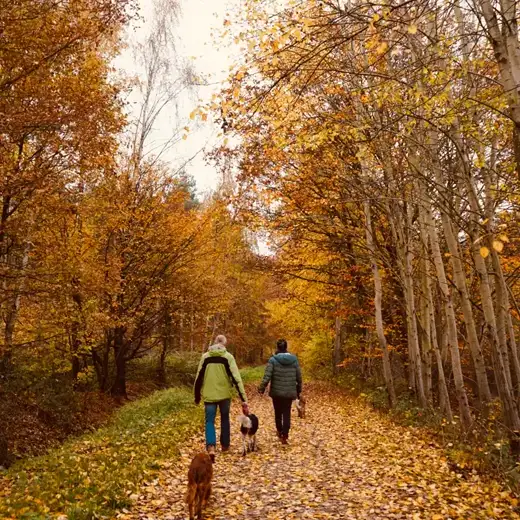
Here's how to travel with your Berner by car and by plane, plus how to handle the two things owners struggle with most: car sickness and heat.
Car travel with your Bernese Mountain Dog
For this breed, the car is your best friend. Berners are generally calm travellers once they're used to it, and driving keeps you in control of temperature, breaks and safety.
Keep your Berner safe in the car
An unrestrained large dog is dangerous to itself and everyone in the vehicle. Safe options include:
- A crash-tested harness clipped to a seatbelt — practical for a dog this size
- A secured travel crate big enough for your Berner to stand, turn and lie down (best fitted in an SUV or estate/wagon boot)
- A back-seat barrier to keep your dog contained in the cargo area
Never let your Berner ride with its head out of the window (eye and airway risk) or loose in the back of a truck.
Manage temperature — this is the big one
Because Bernese Mountain Dogs overheat easily thanks to that thick coat, a warm car is genuinely dangerous. Run the air conditioning, keep good airflow, and pack water. Never leave your Berner alone in a parked car, even briefly and even with the windows cracked — the interior heats up fast and can be fatal. In summer, drive during cooler parts of the day.
Plan breaks and pack smart
On longer drives, stop every two to three hours so your dog can stretch, toilet and drink. Bring water and a bowl, poop bags, a familiar blanket or bed, any medication, and your dog's food. A tired dog travels better, so a good walk before you set off — part of your regular exercise routine — pays off.
Dealing with car sickness
Some Berners, especially puppies, get carsick — drooling, whining, or vomiting on drives. It often improves with age and gentle exposure:
- Build up slowly. Start with the engine on but not moving, then very short drives that end somewhere fun, gradually lengthening them.
- Travel on a light stomach. Avoid a big meal right before setting off.
- Keep it cool and airy. Fresh air and a comfortable temperature reduce nausea.
- Face forward and secure. A stable position (via harness or crate) helps some dogs.
- Ask your vet. For persistent car sickness or anxiety, there are effective anti-nausea and calming options.
Flying with a Bernese Mountain Dog
Here's the honest part: flying is hard with this breed. Berners are far too big for the in-cabin pet carrier limits, so they'd typically travel as cargo in the hold — and many owners and vets are wary of that for a large, heat-sensitive breed. If you must fly your Berner:
- Check airline rules carefully. Large dogs travel in temperature-controlled cargo where allowed, with strict crate-size and weather requirements; some airlines and seasons restrict it, and rules vary widely by carrier and country.
- Get a vet check first. Confirm your dog is fit to fly and up to date on the health paperwork the airline and destination require.
- Use an airline-approved crate sized so your Berner can stand and turn comfortably, introduced well ahead of time so it's familiar, not frightening.
- Avoid temperature extremes. Book direct flights and cooler travel times, and skip air travel in high summer heat.
For most trips, honestly, driving is the better call for a Berner. Reserve flying for genuine necessity like a long-distance relocation, and research it thoroughly.
Traveling with a Berner puppy
A puppy adds a few extra considerations. Young Berners are more prone to car sickness, tire quickly and haven't finished their vaccinations, so keep early trips short, calm and positive. Build good travel habits from the start with brief, rewarding drives, and don't overdo activity at rest stops while those large-breed joints are still developing. Bring extra towels (accidents happen), stick closely to feeding times, and never leave a puppy unattended in the car. Getting your Berner used to travel early — the crate, the car, new places — pays off with a confident adult travel companion.
International travel and paperwork
Crossing borders raises the bar considerably. Different countries have their own rules on vaccinations, microchipping, health certificates and, in some cases, quarantine. If you're relocating internationally with your Berner, start the process months ahead, confirm the exact requirements for your destination, and factor in the breed's size and heat sensitivity when choosing routes and travel dates. A specialist pet-travel service can be well worth it for complex journeys.
Where to stay and what to expect
Big dogs need a little extra homework at the other end:
- Book dog-friendly accommodation in advance and check any size or breed limits — some places cap dog weight.
- Bring the comforts of home. A familiar bed, blanket and toys help your Berner settle in a strange place.
- Keep the routine. Similar meal and walk times reduce travel stress.
- Mind the destination climate. If you're heading somewhere hot, plan indoor, air-conditioned downtime and cooler-hour walks.
Quick pre-trip checklist
Before any trip with your Berner, pack:
- Safety restraint (harness or crate) and ID tag with current details
- Water, bowl and your dog's usual food
- Poop bags, towels and a favourite blanket or bed
- Any medication and your vet's contact info
- Health/vaccination records for longer trips or flights
- A recent photo of your dog, just in case
The bottom line
Traveling with a Bernese Mountain Dog comes down to size, safety and temperature. By car — which suits this breed best — a proper restraint, regular breaks, plenty of water and a cool interior make for smooth, happy journeys. Flying is possible but genuinely challenging for a dog this large and heat-sensitive, so keep it for true necessity and plan carefully. Nail the basics and your Berner can be right there beside you for the adventures that matter.
Frequently asked questions
Do Bernese Mountain Dogs travel well in cars?
Generally yes. Most Berners are calm car travellers once accustomed to it. Use a safe restraint, keep the car cool, and take regular breaks on longer drives.
Can Bernese Mountain Dogs fly on a plane?
They're too big for in-cabin carriers, so they'd usually fly as cargo where an airline permits it. Many owners avoid this for such a large, heat-sensitive breed and prefer to drive; if flying, research airline rules and weather restrictions thoroughly.
How do I stop my Berner from getting car sick?
Build up from very short drives, travel on a light stomach, keep the car cool and airy, and secure your dog in a stable position. For persistent sickness, ask your vet about anti-nausea options.
Is it safe to leave my Bernese Mountain Dog in the car?
No. Never leave a Berner alone in a parked car. Their thick coat means they overheat quickly, and a hot car can be fatal within minutes.
What's the best vehicle for a Bernese Mountain Dog?
An SUV, estate/wagon or hatchback with a roomy boot works well, giving space for a secured crate or a barriered cargo area plus good airflow and air conditioning.